
Lavish Jung Gurung
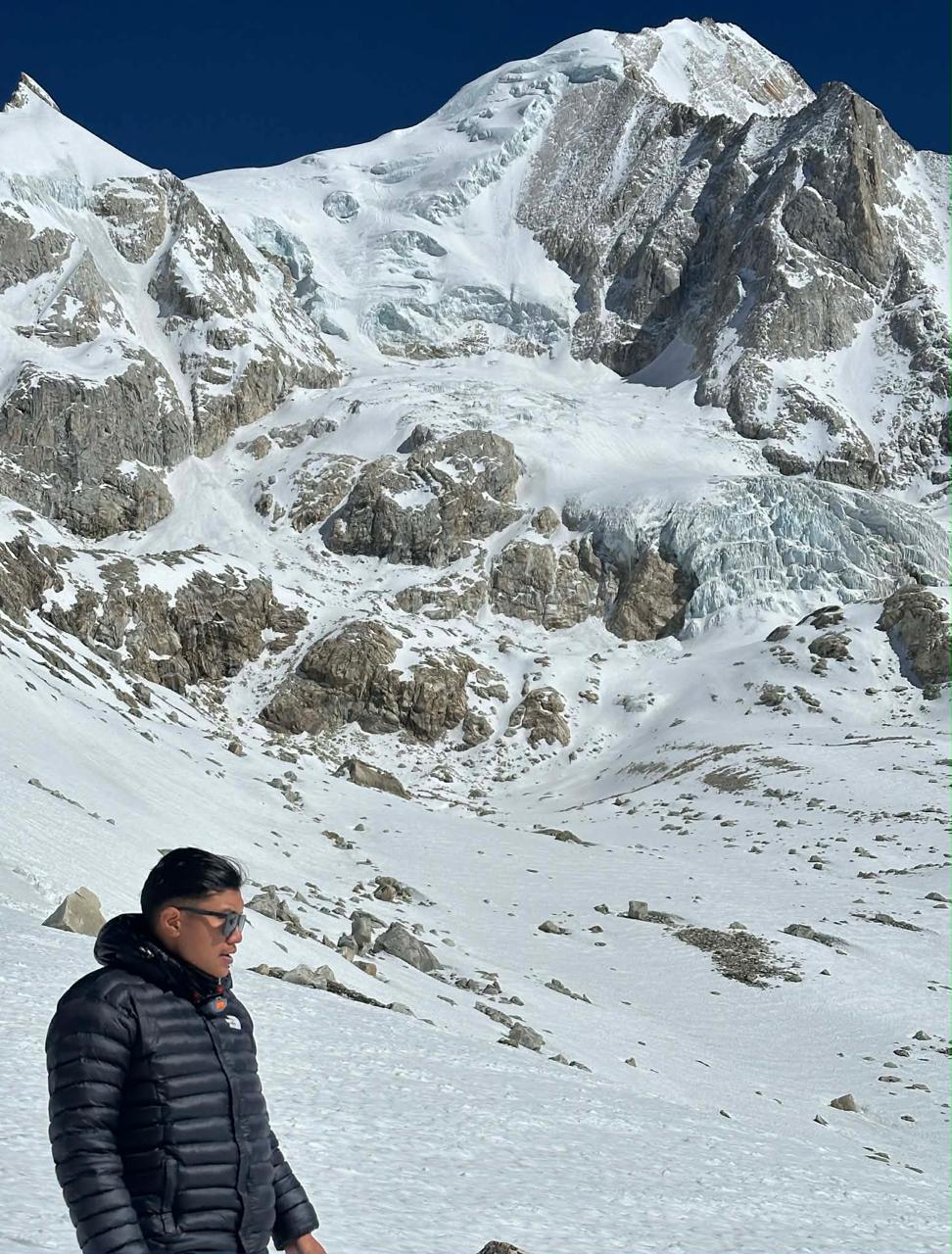
Instead of focusing on the mountains this is the story of ordinary people who suffer from
being forgotten that is told here. This is a problem that hardly comes to the attention of the
media. The locals of this Himalayan region are unfortunately the most affected as they are
getting a mix of the global influences, poor governance, lack of economic security, and
changing cultural lifestyles that happen to be the biggest problems. What is more, apart from
being separate, these problems actually support one another and gradually change the
mountain environment. So, this is not a mountain story. It is a story of a fragile system that is
being gradually depleted without anyone knowing it.
War Beyond Borders
The Manaslu region, which is very far away physically from the visible clashes between Iran,
Israel or the strategic moves of the USA, may appear to be geographically isolated. In fact
tourism being the mainstay of the local economy, has become very fragile to the external
factors. Holding back the growth of trekking tourism due to the collective effects of political
tensions, rising prices of fuel, and change of international travel patterns are a few of the
factors. Also, irregular air services to Nepal have added to the situation by delaying the
arrival of tourist and impacting the flow of visitors during peak seasons. The government
needs to improve the reliability of the aviation industry, increase the accessibility of flights,
make the tourism circuit more diverse, beyond trekking seasons, and improve its ability to
handle global shocks.
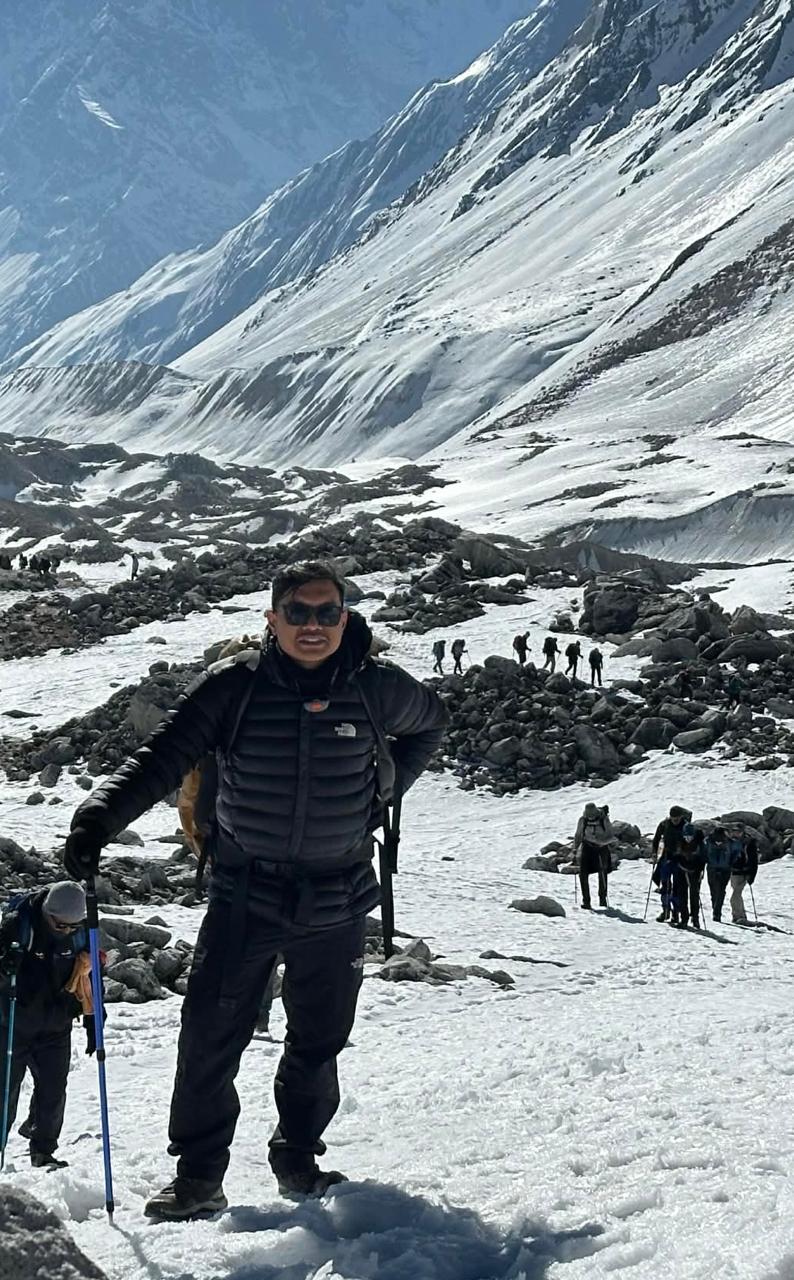
Manaslu and other such regions will continue to be impacted inordinately by matters beyond
their control, even though they are very important to the tourism identity of Nepal. As far as
the mountains are concerned, they stand firmly and silently while the world around them is
very dynamic and changing rapidly with the disruptions coming in quietly through different
flight routes, digital screens, and changing human desires.
The Burden That Remains
In numerous villages, the results of those changes are easy to see. Older people now transport
heavy materials that young people moved in previous years. For many women daily life
involves carrying stones and working in fields to maintain their homes this situation is not a
form of social progress but it is a way to survive. The hard work that had been a source of
pride is no longer desirable.
By combining those factors, a gap is growing in the community. There is a reduction in the
number of individuals who work in mountain industries. Because of this the economy is
dependent on visitors and the future of rural work is not certain.
Roads to Nowhere?
On paper, connectivity promises progress. In practice, it is a more complex narrative. The
trekking economy that once thrived off foot-based travel is beginning to decay. Vehicles skirt
trails, visitors shorten trips, teahouses sit less full. Even local guides & porters, who are
already laboring on an extremely small revenue margin are being pushed to compete for a
rapidly declining number of jobs.
The Economics of Absence
Permits, tourism and services are the money-spinning sectors of Manaslu. But the
reinvestment is hard to track.
Basic needs remain unmet:
· Proper & safe working conditions for guides & porters
· Potable water
· Formalized waste management systems
· Insurance and proper training guidance for high-risk labor
Guides and porters continue to undertake life threatening journeys with minimal protection.
This is not merely an economic oversight it is a legal and moral failure.
Equally concerning is the opacity surrounding taxation. Many local residents remain unaware
of tax collection system and what they get in return. The social contract, foundational to
democratic governance, feels distant here.
Manufacturing Emergencies
Genuine emergency has been turned into a moneymaking exercise. The helicopter rescue
scam that made the news in Nepal, it reveals how contrived evacuations can be put to work to
defraud insurance companies and siphon off resources meant for real crises, all while
chipping away at the ethics of the tourism industry.
The consequences of such behaviour are not just isolated anymore. They are having an effect
on how the world views Nepal, It is more than a matter of reputation. The scandal makes
government more responsible and need of better ways of investigation and regulation. To put
some credibility back into mountain tourism and win over trust, we need firm enforcement
and independent oversight, and guides must be made to answer for their actions.
Building Without Trees
Manaslu’s architecture is a story in itself. Wood-built houses and hotels, timber-based
structures are also popular and widely present in the region. But stone construction is slowly
returning even in newer hospitality developments as a viable and sustainable alternative.
Stone built homes can be very good under mountain conditions with the right design,
especially if they have built-in insulation between layers and efficient heating systems to
keep the warmth in a harsh climate. But sustainability isn’t just about the materials. Wider
environmental systems Water supply, waste management and energy access continue to be
uneven and fragile.
Fragile Progress
What emerges from Manaslu is not a singular crisis, but a convergence: Development without
direction. Modernity without inclusion. Revenue without redistribution. Youth without
responsibility. Governance without accountability. Manaslu does not need rescuing from its
terrain. It needs accountability from its systems. Only then can this mountain remain more
than just a destination a place where dignity matters as much as survival.
(lavishgurung@gmail.com)
(law student at Kathmandu School of Law)
by-samaajwad.com